
GSE – Tarmac Visibility.
Made Easy.
Easy real-time visibility for ground support equipment.
No trenching, towers, or guesswork required.
From powered tugs to non-powered carts, Luna VAST tracks ground equipment in real time with long-life tags and simple deployment.
Why GSE and Tarmac Visibility Matters
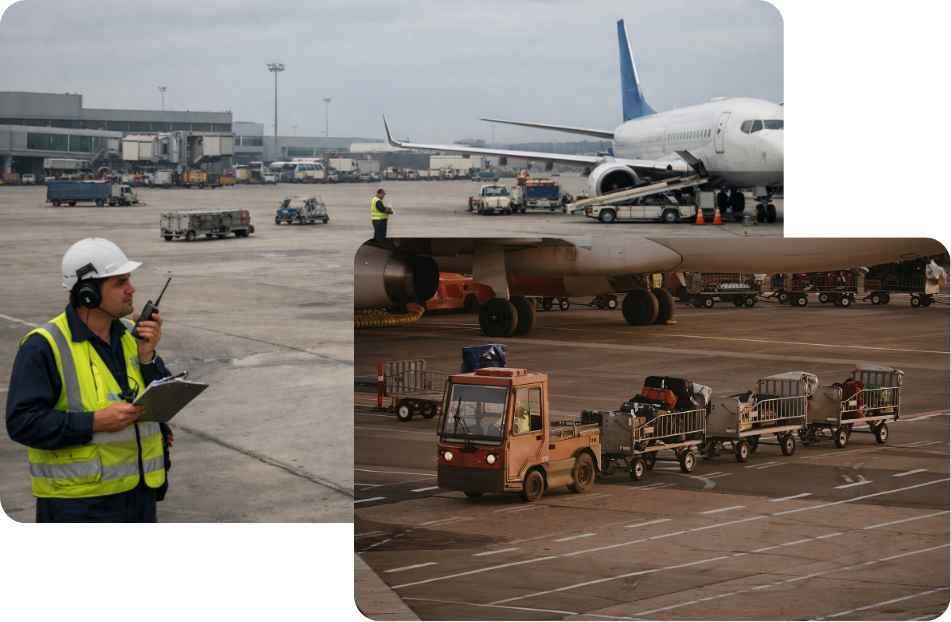
From baggage carts and belt loaders to mobile stair units and container dollies, ground support equipment (GSE) is critical to airside operations. But at major hubs, terminals, and remote gates, tracking this equipment in real time is notoriously difficult—especially when assets are in constant motion and shared between teams.
Without GSE – tarmac visibility, ground operations face:
- Turnaround delays: Equipment isn’t where it’s needed, causing departure delays, cascading schedule issues, and DOT fines
- Wasted time and fuel: Staff spend hours hunting for gear, diverting focus and driving up labor and fuel costs
- Safety risks and gate blockages: Misplaced equipment near aircraft increases risk of damage and operational disruptions
- Overbuying equipment: Without usage data, teams overspend to avoid downtime—tying up capital in underused assets
- Idle or missing assets: Equipment sits unused or disappears entirely without a unified tracking system
- Safety risks and gate blockages: Misplaced equipment near aircraft increases risk of damage and operational disruptions
Use Case Spotlight: Tracking GSE at a Major Hub Airport
One of North America’s largest carriers operates across more than 150 gates in a major hub. Between pushbacks, aircraft servicing, and turnaround management, dozens of GSE assets are in play at any given moment. But the airline’s ground crews were often delayed trying to locate the right equipment—especially when it had been parked at another concourse or towed for servicing.
The result? Avoidable delays, excess labor, and significant underutilization of assets already in the system.
Why Traditional Tracking Methods Fall Short
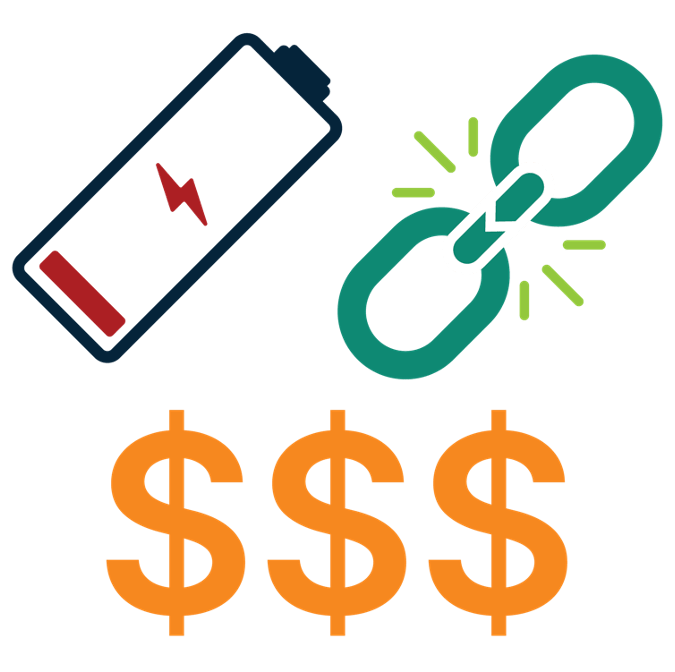
GPS limitations: Conventional GPS tags require asset power or reduce updates to save battery
LTE/WiFi limitations: WiFi and LTE coverage is can be spotty over large spaces
RFID is infrastructure heavy: Trenching or installing wired readers on the tarmac is often impractical
Manual tools cause delays: Radios and whiteboards can’t support real-time coordination across shifts or teams
The Luna GSE – Tarmac Visibility Solution
Luna delivers full GSE visibility across the tarmac—no added infrastructure or complex setup required. Durable, long lasting GPS+Bluetooth tags track equipment movement, while Luna transforms existing devices like tablets, scanners, and mobile phones into secure data gateways. Combined with optional long-range Luna-enabled gateways, these devices automatically send real-time location data to your existing systems.
Works outdoors, without infrastructure
Designed for open-air environments like runways and airside areas
Real-time visibility
Tags report every 5 seconds, doubling the insight of legacy GPS systems
Supports all equipment types
Use powered and unpowered tags to track tugs, carts, stairs, buses, and more
No trenching or cabling
The Luna app enables devices already in use to transmit tag data automatically. Long-range gateways mounted to fences/poles expand coverage
Fast deployment
Installs in weeks, not quarters—with no changes to workflows and minimal training needed
Low cost, high return
Keep tracking costs under 0.1% of asset value
Built for Airport Ground Operations
How it Works

Attach Luna tags to ground support equipment (carts, stairs, loaders, etc.)

Enable Luna Locate on fixed or mobile devices (pole-mounted, tablets, phones)

Equipment location updates sync with the Luna Console or your existing systems via API